
The Best Biodegradable Body Wipes for Camping and Travel
Why Choose Biodegradable Body Wipes Over Traditional Options?
Biodegradable body wipes are plant-based cleansing wipes designed to break down naturally after use — unlike most conventional wipes, which contain plastic fibers that persist in the environment for years.
Here are the top picks at a glance:
| Wipe | Best For | Rating |
|---|---|---|
| Sea to Summit Wilderness Wipes | Camping & backpacking | 4.7/5 |
| YUNI Beauty Shower Sheets | Travel & everyday use | 4.8/5 (1M+ sold) |
| Biom Flushable Wipes | Bathroom & intimate use | 4.6/5 |
| Surviveware Biodegradable Wipes | Outdoor & survival use | N/A |
| EarthlySafi Coconut & Vanilla Wipes | Sensitive skin | 4.7/5 |
Here is the problem: 90% of wipes on the market contain plastic fibers. These plastic fibers shed microplastics that end up in waterways — and even in our bodies.
Switching to truly biodegradable wipes made from 100% viscose, bamboo, or cellulose fibers is one of the simplest swaps you can make for a more sustainable routine. Whether you’re camping miles from a shower, freshening up after a flight, or just cutting plastic from your daily life, the right wipe makes a real difference.
This guide cuts through the greenwashing so you know exactly what to look for — and which brands actually deliver.
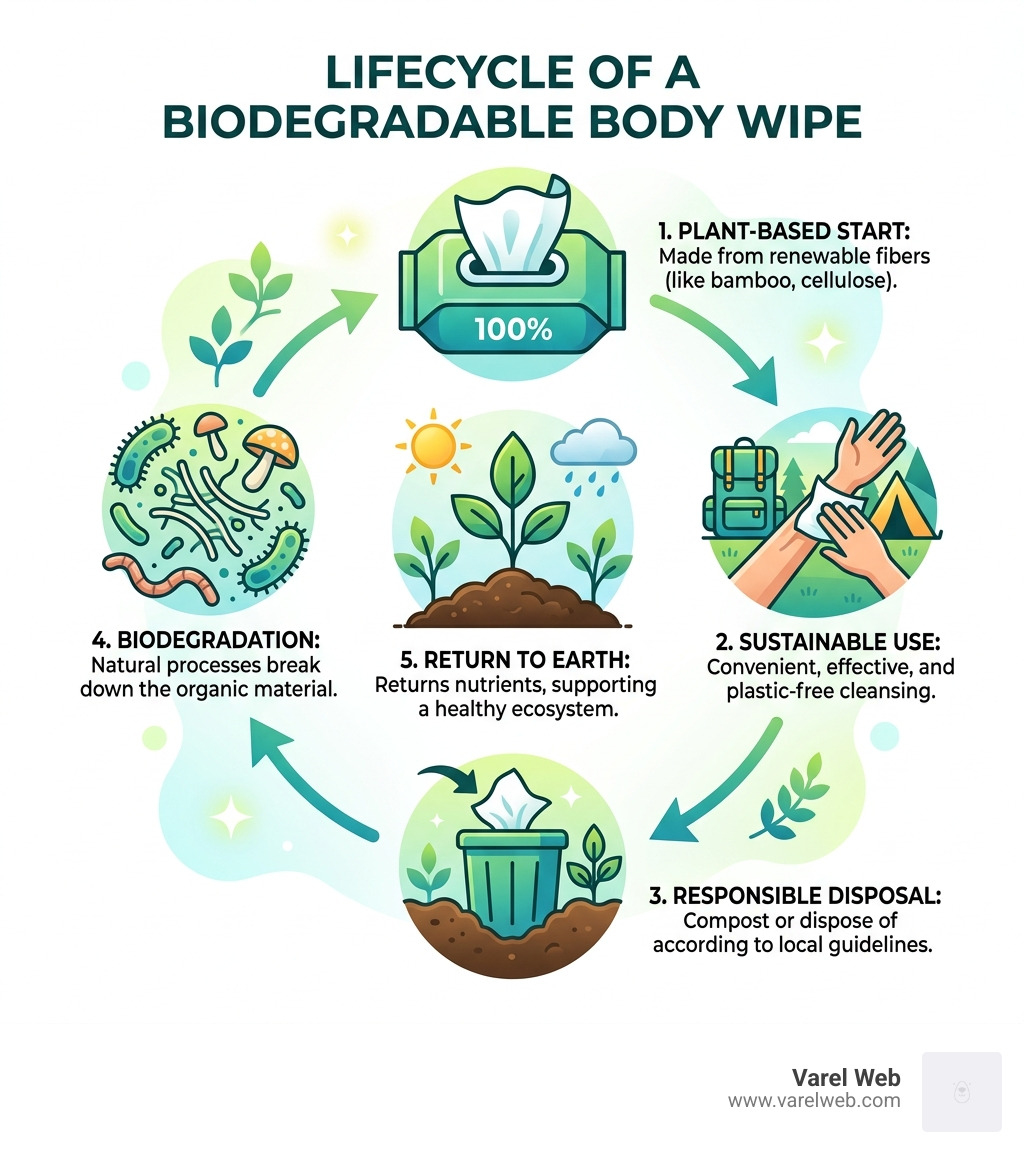
When we think about plastic pollution, we often picture straws and water bottles. However, the wet wipe industry is a massive contributor to the microplastic crisis. As we mentioned, roughly 90% of the wipes sold globally are manufactured using synthetic fibers like polyester or polypropylene. These materials are essentially plastic woven into a fabric.
When these traditional wipes are disposed of, they don’t disappear. Instead, they fragment into tiny microplastics. These particles have been found in our oceans, our soil, and increasingly, within our own bodies. By choosing biodegradable body wipes, we are opting for materials that return to the earth rather than polluting it.
Beyond the environmental impact, there is a performance benefit. Plant-based fibers like viscose (rayon) are incredibly absorbent and soft. They hold moisture better than plastic-based alternatives, meaning you can often clean your entire body with a single large wipe rather than going through half a pack of flimsy, synthetic ones.
The Hidden Environmental Cost
Traditional wipes are a nightmare for infrastructure. Even those labeled “flushable” often contain plastic binders that lead to “fatbergs” in city sewers. For those of us who love the outdoors, using plastic wipes in the wilderness is even more damaging. Even if you “bury” a plastic wipe, it will remain in that soil for decades, potentially leaching chemicals or being unearthed by wildlife.
| Feature | Plastic-Based Wipes | Plant-Based Biodegradable Wipes |
|---|---|---|
| Primary Material | Polyester, Polypropylene | Viscose, Bamboo, Cellulose |
| Degradation Time | Decades to Centuries | Weeks to Months (in right conditions) |
| Microplastic Risk | High | None |
| Skin Feel | Can be abrasive or “slippery” | Soft, highly absorbent |
| Best Disposal | Trash can only | Compost, Bury (where allowed), or Trash |
How to Identify Truly Biodegradable Body Wipes
Not all “eco-friendly” labels are created equal. We have seen a lot of “greenwashing” in the industry lately. Some brands claim to be “plant-based” while still containing up to 50% synthetic fibers. To ensure you are getting a product that is truly 100% biodegradable, you need to look at the fabric composition.
The gold standard for a plastic-free wipe is 100% viscose (rayon), bamboo, or cellulose. These are derived from wood pulp or bamboo stalks and are naturally compostable. According to community discussions on Suggestions on truly biodegradable/100% plant-based wet wipes, savvy consumers should avoid any mention of “polypropylene,” “polyester,” “PES,” or “PP” on the ingredient list.
If you are looking for a wipe that you can safely compost at home or bury in a “cat hole” while camping, it must be 100% plant-fiber. Anything else is just a plastic sheet in disguise.
Top-Rated Biodegradable Body Wipes for Every Adventure
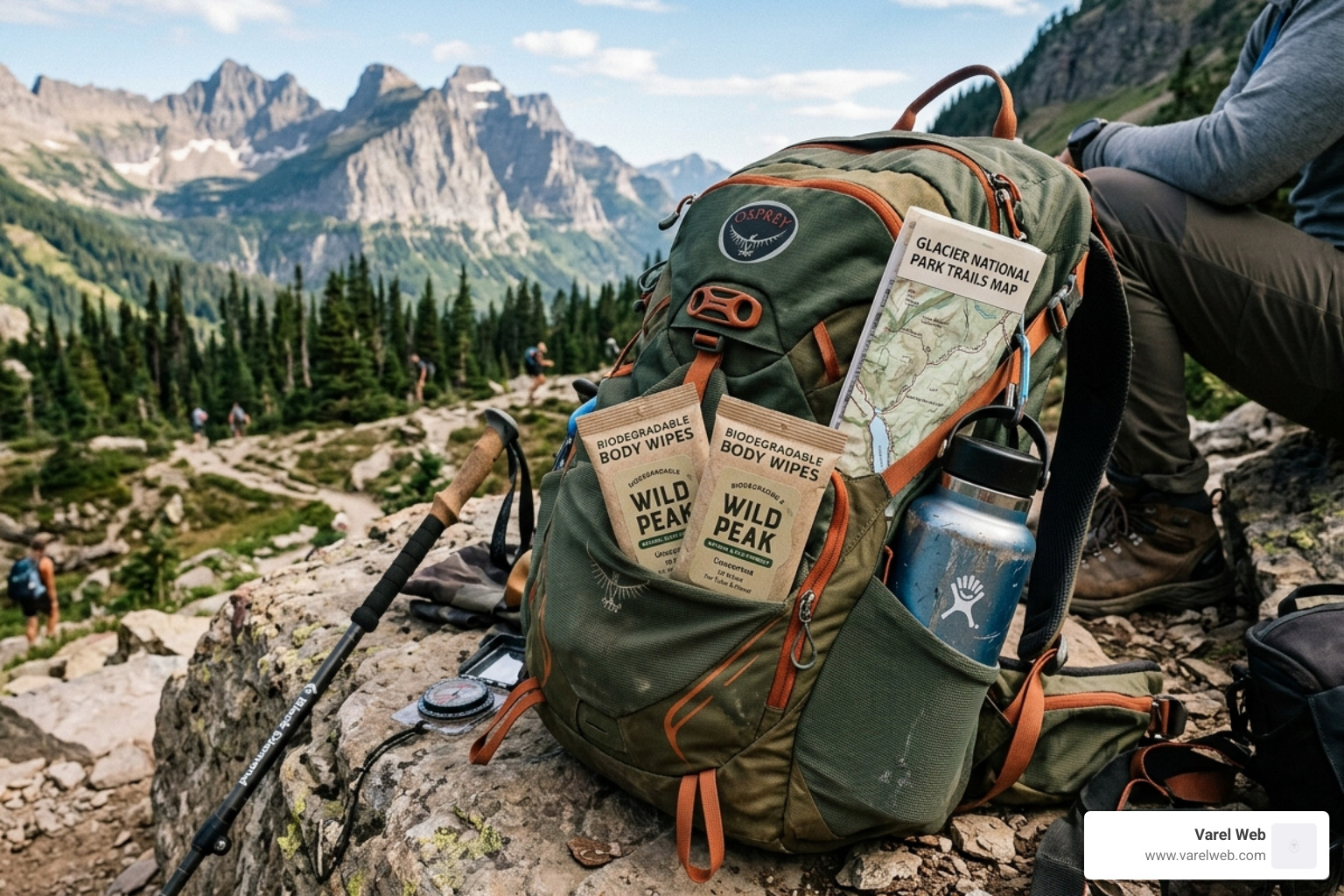
Finding the right wipe depends on your specific needs. Are you trekking through the Andes, or just trying to stay fresh during a long layover? We have rounded up the best options based on real-world performance and sustainability credentials.
Sea to Summit Wilderness Wipes
These are a staple for the backpacking community. With an average rating of 4.7 out of 5 stars from nearly 200 reviews, they are praised for their durability. They are made from 100% viscose fiber and are pH-balanced to be gentle on your skin after a long day of sweating on the trail.
- Stats: The XL size comes in packs of 8 (12 x 8 inches), while the Compact size offers 12 wipes (8 x 6 inches).
- Key Feature: They contain aloe vera and vitamin E to soothe skin that has been exposed to salt and sun.
YUNI Beauty Shower Sheets
If you are looking for a “shower in a pocket,” these are the gold standard. YUNI has sold over one million units, and for good reason. They are massive (12 x 10 inches) and use a waterless formula that removes dirt and sweat without leaving a sticky residue.
- Stats: Over 2,000 five-star reviews.
- Key Feature: They come in both scented (Peppermint Citrus) and fragrance-free options, making them perfect for travel or post-workout use.
Biom Home™ Flushable and All-Purpose Wipes
Biom has revolutionized the way we think about bulk wipes. Their Flushable Wipes – Biom Home™ Refills – 300 Count (6 Pack) are 100% plant-based and designed to break down in water, making them safe for septic systems.
- Stats: Their all-purpose wipes have a 4.7 rating from over 625 reviews.
- Key Feature: They offer stylish, refillable dispensers that help reduce single-use plastic canister waste by up to 33%. You can also find Flushable Wipes – Travel Packs for your gym bag or carry-on.
Surviveware Biodegradable Wipes
Surviveware is a brand built on preparedness. Their wipes are specifically designed for the rugged outdoors. They are scent-free and hypoallergenic, making them safe for adults, kids, and even pets.
- Key Feature: These wipes are designed to be buried in nature, where they will naturally degrade over time. You can find them in various pack sizes, including individually wrapped versions for survival kits at Amazon.com: Surviveware Biodegradable Wipes Men or Women.
Venture Wipes
For those who need a heavy-duty option, Venture wipes 25 Count Bag offers large, textured wipes that are great for scrubbing off mud or grit. They use infused ingredients like tea tree oil to provide a natural antibacterial effect.
Best Biodegradable Body Wipes for Sensitive Skin
If you have sensitive skin, the chemicals used in many wipes can be just as irritating as the dirt you’re trying to clean off. Look for wipes that are alcohol-free, paraben-free, and sulfate-free.
A fantastic option for those with delicate skin is the Biodegradable Body Wipes – Coconut & Vanilla | EarthlySafi. These wipes are made with over 99% water and infused with coconut cleanser, vanilla, and aloe vera. They are pH-balanced and hypoallergenic, ensuring that your skin feels hydrated rather than stripped.
Another great choice for sensitivity is the biom | Wipes you can trust line, which avoids “quats” (quaternary ammonium compounds) and harsh bleaches, using vegetable-based soaps instead.
Proper Disposal: Can You Flush or Compost Your Wipes?
This is where things get a bit tricky. Just because a wipe is “biodegradable” doesn’t mean you should throw it just anywhere. Proper disposal is key to maintaining the environmental benefits of these products.

The “Flushable” Debate
Most experts agree: even if a wipe says “flushable,” it is usually better to put it in the bin. However, some brands have invested heavily in technology to ensure their wipes actually break down. For example, Nice ’N CLEAN® SecureFLUSH™ wipes are engineered to break apart in water five times faster than leading toilet paper. If you must flush, ensure the product has clear “septic-safe” and “flushable” certifications.
Composting and Burying
If you are at home, 100% plant-based wipes (like those from Biom or EarthlySafi) can often go into your home compost bin. However, avoid composting wipes that have been used to clean up human waste or heavy grease, as this can introduce pathogens or disrupt the compost’s balance.
In the wilderness, the “Leave No Trace” principles are our guide. Even if a wipe is biodegradable, like the Comfy Life Biodegradable Adult Full Body Wet Wipes – Comfy Life® Store, it shouldn’t just be tossed on the ground.
- Pack it out: This is the best practice. Put used wipes in a sealed bag and dispose of them when you return to civilization.
- Burying: If you are in an area where burying waste is permitted, dig a “cat hole” 6 to 8 inches deep and at least 200 feet away from water sources, trails, and campsites.
Certifications to Look For
To be sure a wipe is truly eco-friendly, look for these third-party certifications:
- TUV Austria (OK compost): Verifies that the product will break down in a composting environment.
- OEKO-TEX: Ensures the fabric is free from harmful levels of toxic substances.
- Plastic Neutral™: Indicates the brand offsets its plastic footprint.
Frequently Asked Questions about Eco-Friendly Wipes
Can biodegradable wipes be flushed down the toilet?
Only if they are specifically labeled as “flushable” and meet industry standards for disintegration. Even then, most plumbers recommend the “trash is best” rule to protect your pipes. Truly biodegradable body wipes are often thicker and larger than bathroom wipes, making them a high risk for clogs.
How long do plant-based wipes take to decompose?
In a managed compost pile, 100% viscose or bamboo wipes can begin to break down in as little as 4 to 6 weeks. In a landfill or buried in the wild, the process can take longer—anywhere from 6 months to a year—depending on moisture levels and bacteria in the soil.
Are biodegradable wipes safe for use on pets?
Generally, yes, if they are fragrance-free and made from natural fibers. Brands like Surviveware are specifically tested for use on pets. However, always avoid wipes with essential oils that can be toxic to dogs or cats (like high concentrations of tea tree oil) unless the packaging specifically states they are pet-safe.
Can I use body wipes on my face?
Most biodegradable body wipes are gentle enough for the face, but they are often more saturated or textured than dedicated face wipes. If you have oily or acne-prone skin, look for pH-balanced options like the All-Purpose Wipes – Biom Home™ Refills – 300 Count (6 Pack), which are designed to be safe for “messy faces.”
Conclusion
At Varel Web, we believe that every small purchase is a vote for the kind of world we want to live in. Switching to biodegradable body wipes is a simple, effective way to reduce your personal plastic footprint without sacrificing the convenience we all need during travel, camping, or a busy work week.
By choosing products made from 100% plant fibers and disposing of them responsibly, we can keep ourselves clean while keeping our oceans and wilderness pristine. Whether you are stocking up for a festival or looking for a more sustainable bathroom routine, the options available in April 2026 make it easier than ever to be an eco-conscious consumer.
For more guides on making sustainable choices for your home and lifestyle, visit us for More info about eco-conscious products. Together, we can make conscious consumption the new standard.
